{
“title”: “The Future of Crypto in Art: Strategic Shifts for Creative Assets”,
“meta_description”: “Beyond speculation, cryptocurrency is reshaping art ownership and provenance. Discover how leaders are integrating blockchain into high-value asset strategy.”,
“tags”: [“cryptocurrency”, “digital assets”, “art strategy”, “blockchain technology”, “asset management”, “decentralized finance”],
“categories”: [“Cryptocurrency”, “Business”],
“body”: “
The Institutional Shift Beyond the Hype
\n
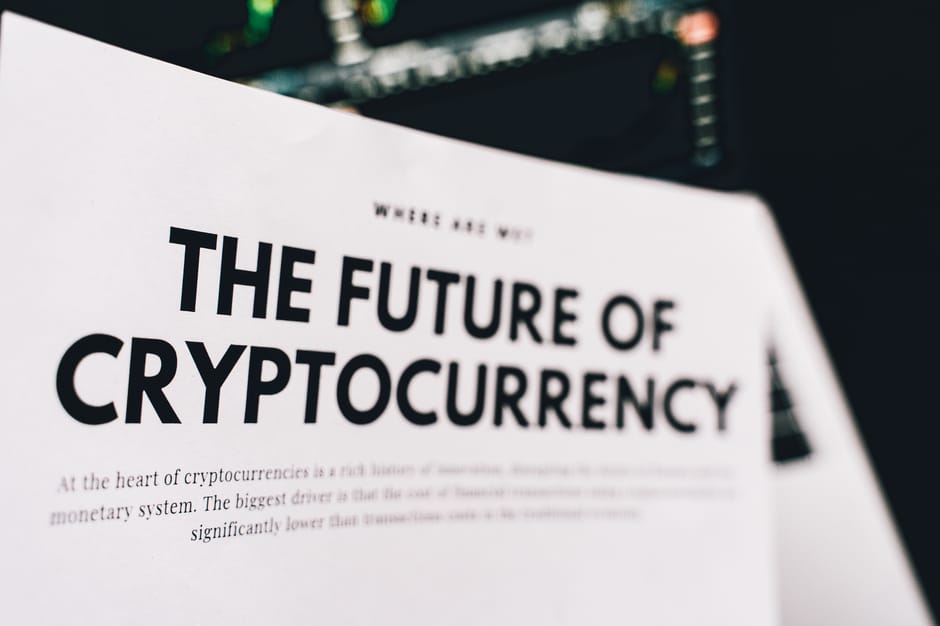
The conversation surrounding digital art has long been poisoned by the volatility of speculative markets. While headlines focused on record-breaking auctions and abrupt price collapses, the underlying mechanism—the blockchain—began a quiet transition into a foundational tool for provenance and asset management. For the operator, the future of cryptocurrency in the art world is not about the next viral token; it is about the transition from art as a static object to art as a programmable, verifiable data set.
\n
As strategic planning becomes increasingly data-driven, the ability to track the movement, history, and ownership of high-value assets without reliance on opaque intermediaries becomes a competitive advantage. The future is defined by decentralized registry systems that solve the long-standing problem of verification in art markets.
\n
Programmable Ownership and Operational Leverage
\n
Traditional art markets operate on antiquated systems of trust, relying on third-party experts and physical paperwork. Blockchain introduces smart contracts—self-executing agreements that enforce terms directly on the ledger. This architecture allows creators and collectors to bake royalties, resale rights, and fractional ownership into the asset itself.
\n
High-performers who integrate efficient operations into their investment portfolios recognize that these programmable assets reduce the friction typically associated with secondary market sales. When an artist programs a five-percent resale royalty into their work, they create a persistent revenue stream that continues regardless of the physical or digital location of the piece. This is not merely a technical novelty; it is a fundamental shift in how creators capture value over time.
\n
The Role of Tokenization in Asset Allocation
\n
Fractionalization through tokenization allows for the distribution of high-value art into smaller, tradable interests. This shifts the focus from art as an exclusive store of wealth to art as a liquid asset class. By lowering the barrier to entry, institutional players can manage diversified portfolios of art with the same level of granular control as equity holdings. This level of informed decision-making is essential for those managing capital in an era where liquidity is paramount.
\n
Risk Mitigation in Digital Provenance
\n
Every asset requires a reliable history. The future of the art market hinges on the immutability of the ledger to prevent forgery. While critics point to the ‘right-click’ fallacy, ownership—legal and technical control—is where the real value resides. Leaders who understand the nuance between a copy of an asset and the ownership of the asset’s underlying ledger entry are better positioned to protect their investments.
\n
When you consider business resilience, the integration of cryptographically signed authentication represents a move toward a more transparent, verifiable economy. The successful collector of the next decade will likely be the one who treats digital art as a security, subjecting it to rigorous due diligence similar to any other venture capital investment.
\n
Strategic Integration for the Modern Leader
\n
Adopting blockchain-based art isn’t just about diversification; it is about adopting the infrastructure of the future. As digital identity and ownership become increasingly linked to decentralized ecosystems, the art market serves as a proving ground for broader applications in real estate, intellectual property, and supply chain logistics. Aligning one’s portfolio with these technologies is a proactive step toward mastering the performance standards of the next economic cycle.





Leave a Reply